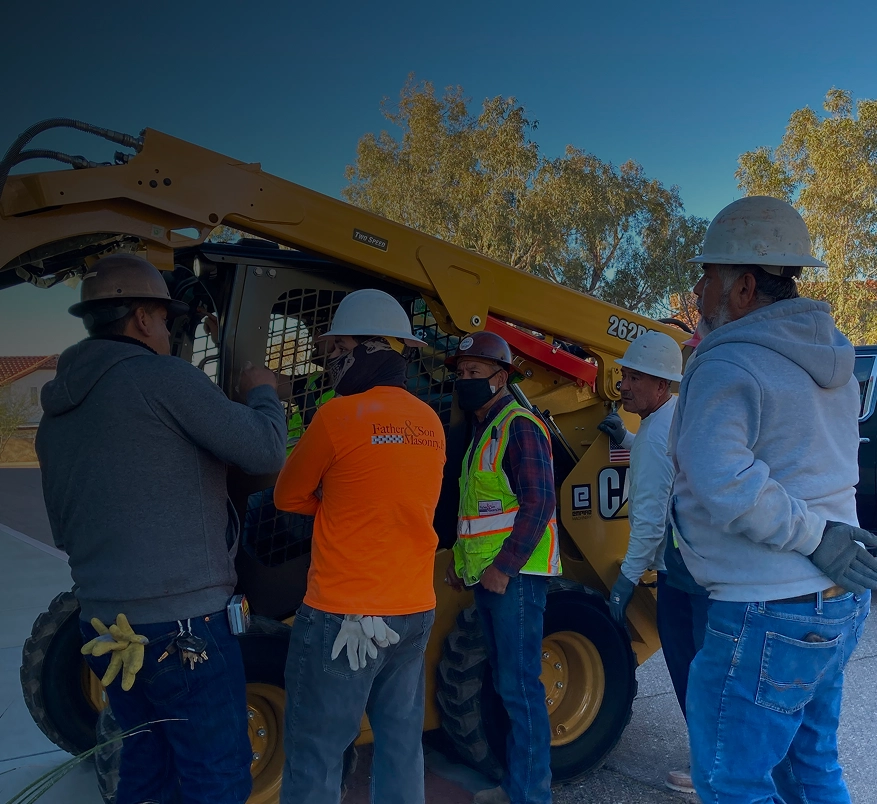
Commercial Masonry Contractors in Phoenix, AZ
Licensed commercial masonry contractors in Phoenix — structural block construction built to plan, code, and commercial project timelines.

Need a quote? Send details.
Commercial Masonry Built to Structural Engineer Specification
-
Full coordination with the GC, structural engineer, and other trades — masonry scope managed to the project schedule
-
CMU partition walls, fire-rated assemblies, and structural shell building work built from approved construction documents
-
ROC licensed since 1994, BBB accredited — every commercial project carries the Arizona 2-year workmanship warranty
Popular Categories
Frequently Asked Questions About Masonry Services
-
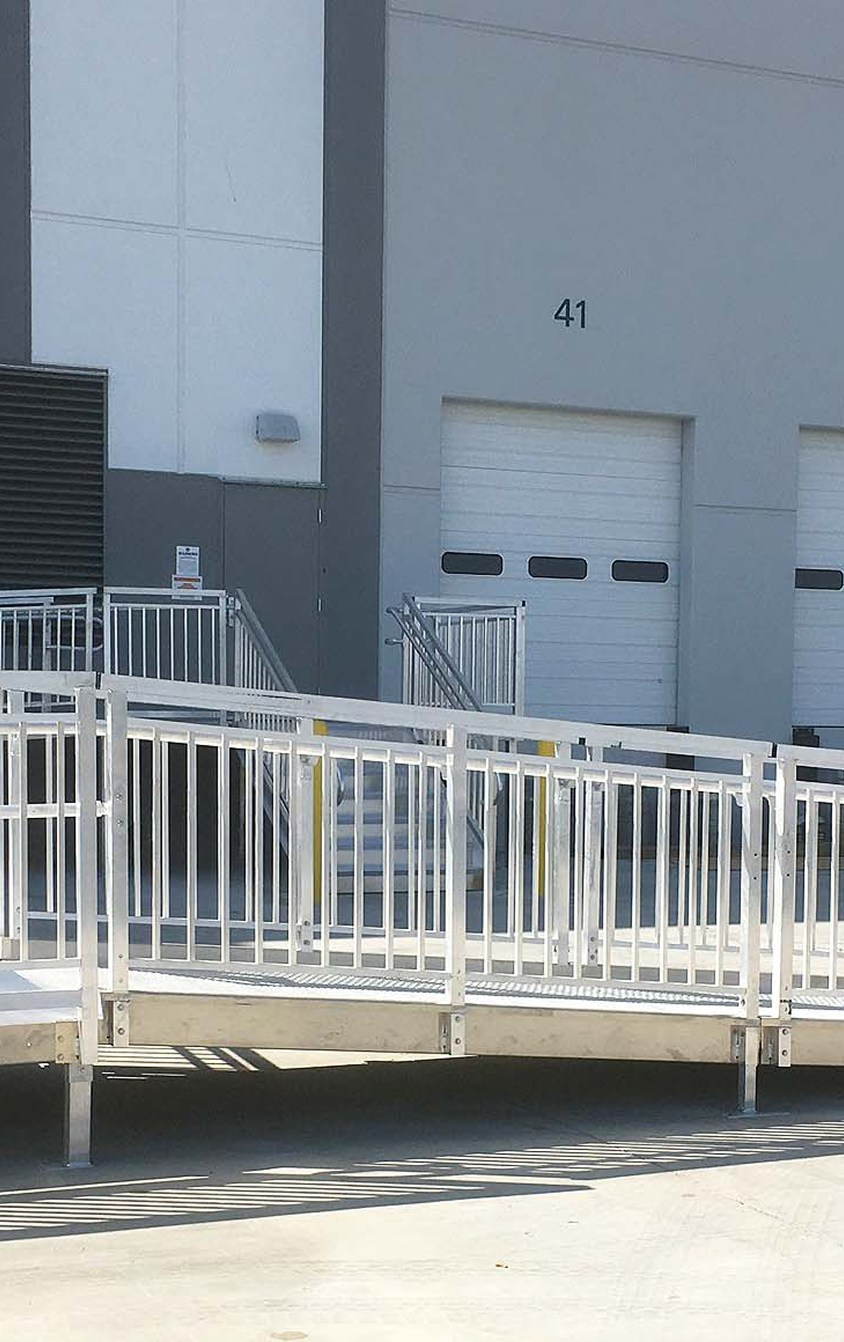
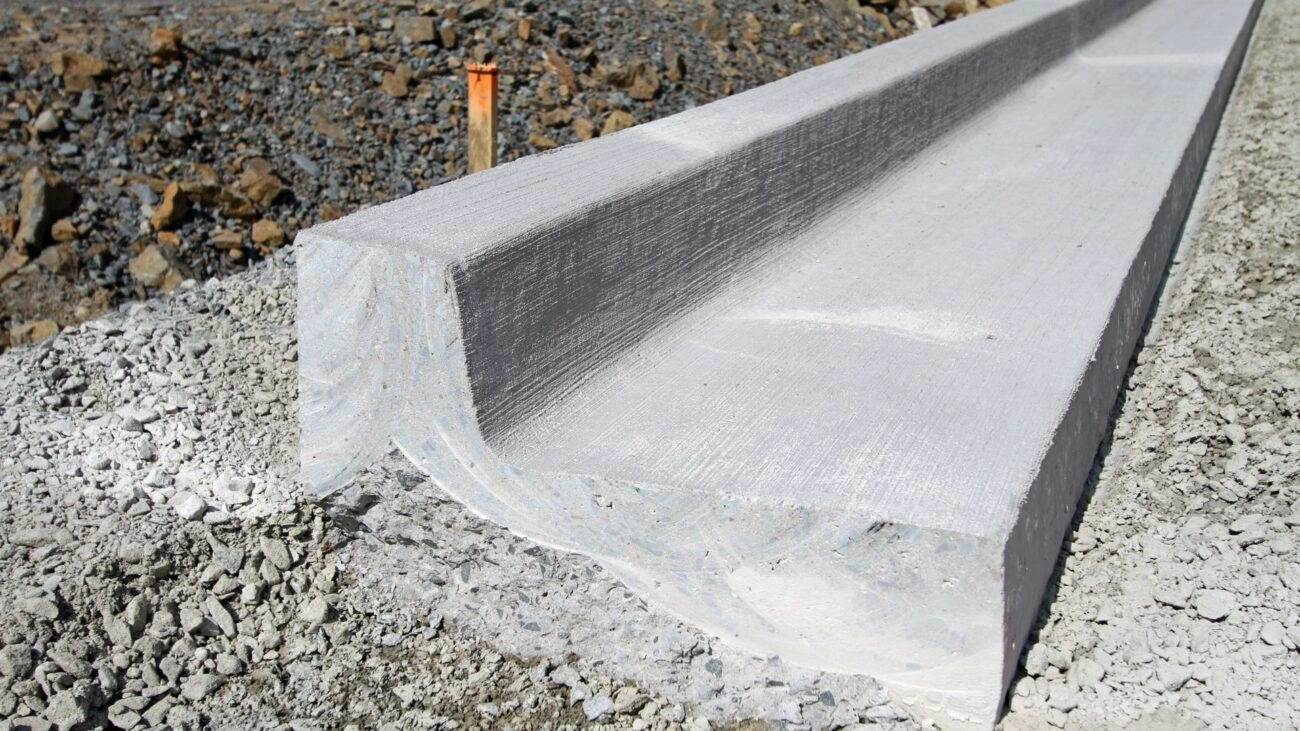
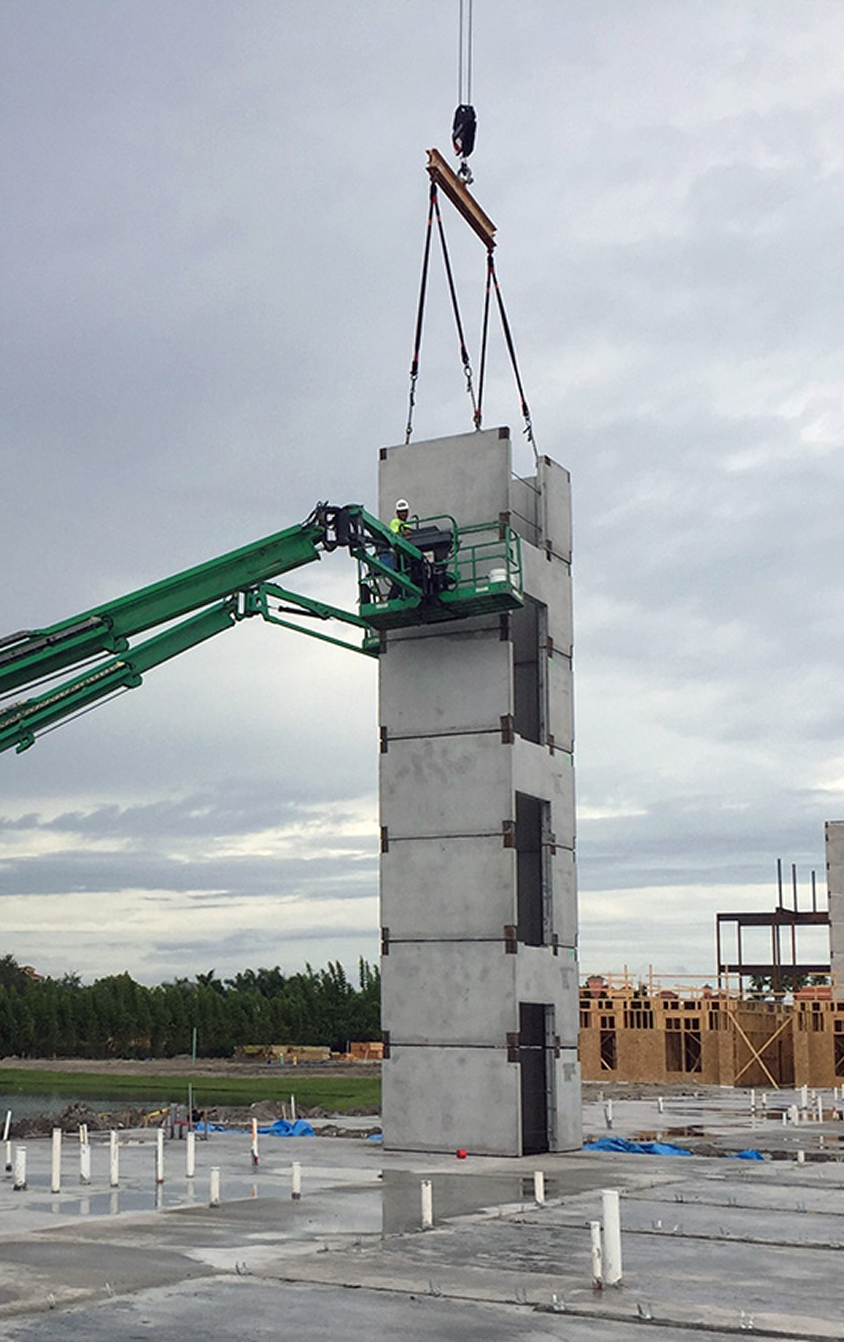
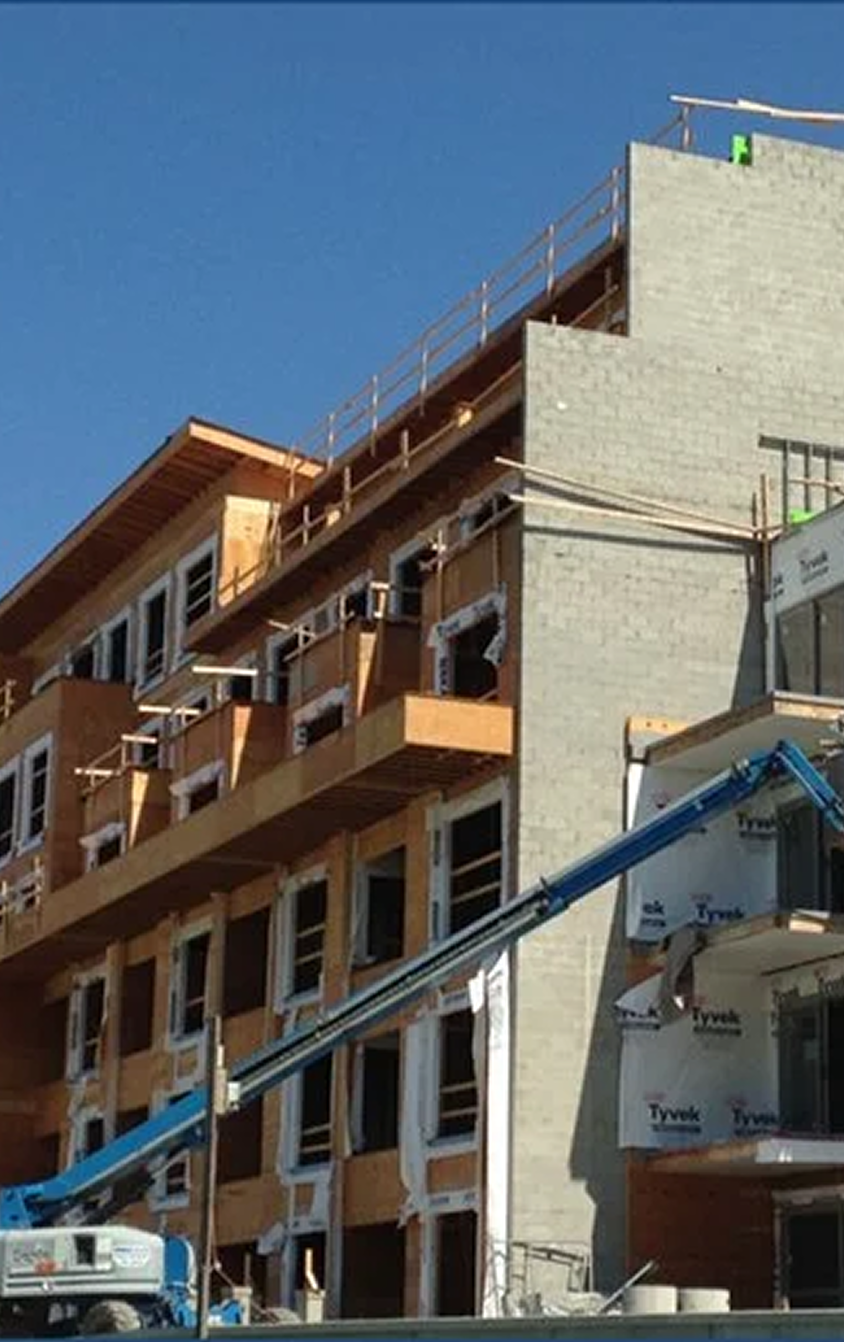
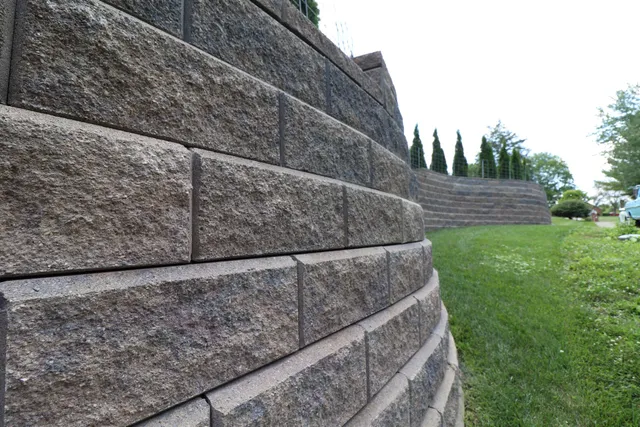
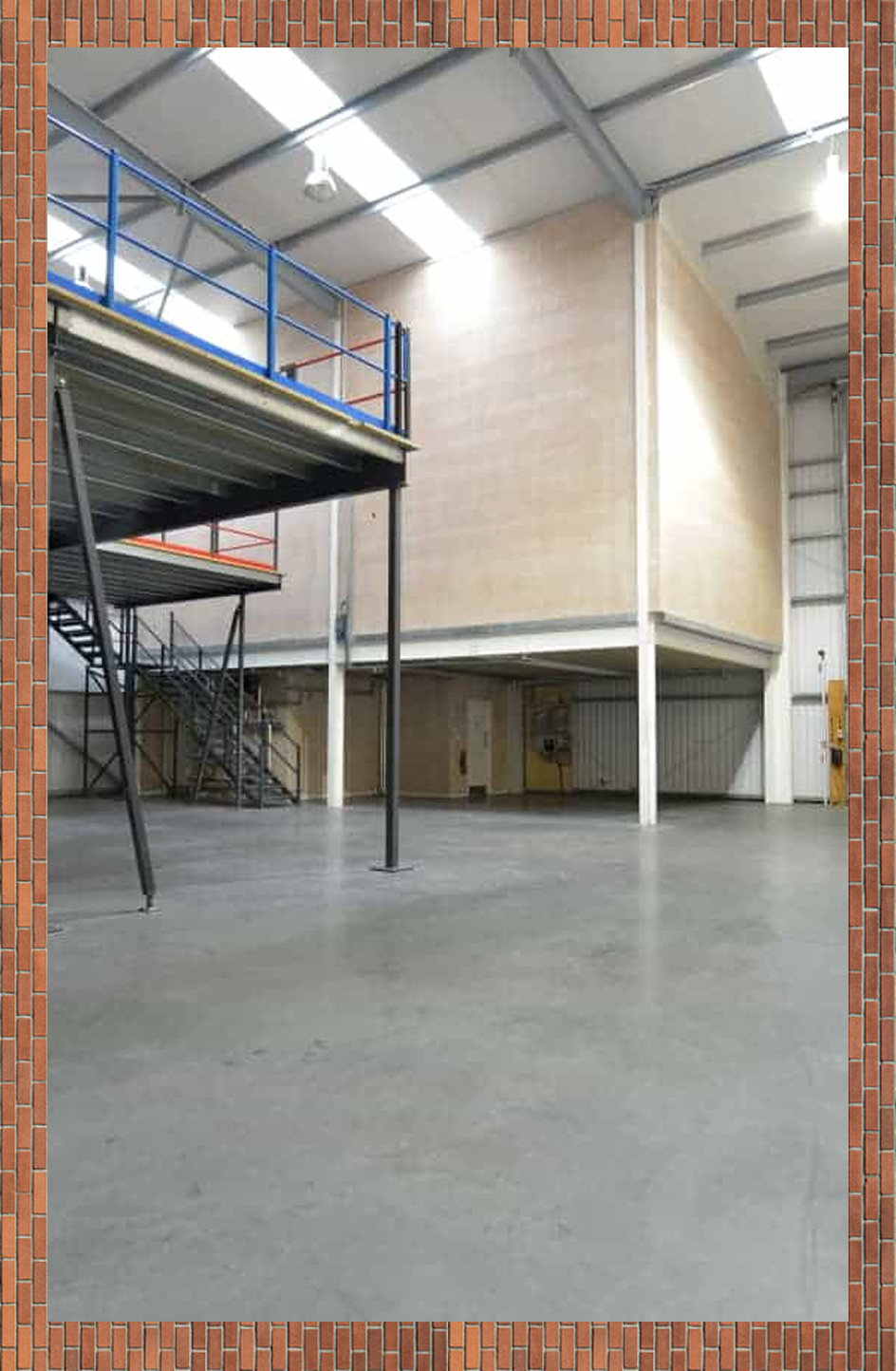
We handle a wide range of commercial masonry work throughout the Phoenix metro — structural CMU block walls, load-bearing and non-load-bearing partitions, commercial foundations and stem walls, fire-rated masonry assemblies, trash enclosures, elevator shaft walls, mezzanine supports, commercial retaining walls, and perimeter site walls. On the concrete side, we cover loading dock aprons, equipment pads, curbs, and gutters. We work directly with general contractors, developers, and owner-builders on both new construction and tenant improvement projects across Maricopa County.
-
Commercial masonry in Phoenix and Maricopa County is governed by the International Building Code as adopted and amended by Arizona, with additional local amendments enforced at the city level. This affects minimum wall thickness, reinforcement requirements, fire-rated assembly specifications, and seismic detailing — all of which vary by occupancy type and project scope. We build to the applicable code edition in effect for your project and coordinate with the city or county authority having jurisdiction before work starts.
-
Mortar type is always driven by the structural drawings and the application. Type M — highest compressive strength — is used for below-grade applications and high-load foundation or retaining wall work. Type S is the standard for above-grade structural commercial masonry, providing the right balance of strength and bond for load-bearing CMU walls. Type N applies to non-load-bearing partitions or decorative commercial applications where structural demands are minimal. We never substitute mortar types without written authorization from the structural engineer of record.
-
Fire-rated CMU walls — including 1-hour, 2-hour, and 4-hour assemblies — are built to the specific UL-listed or tested assembly required by the building’s occupancy classification and the architect’s drawings. The rating is determined by the combination of block type, wall thickness, cell grouting, and any required surface treatment — all specified before construction begins. We document the build for inspection and confirm the correct assembly with the design team ahead of time. CMU is frequently the preferred material for fire-rated construction in Phoenix because of its performance under high-temperature conditions.
-
Commercial CMU reinforcement is specified by the structural engineer and followed exactly — rebar size, vertical and horizontal spacing, cover depth, lap lengths, and full versus partial cell grouting are all defined in the structural drawings. Bond beam placement at floor lines, roof lines, and intermediate intervals is verified against the approved plans during installation. We do not deviate from the reinforcement schedule without a written change order or RFI response from the engineer of record — no field decisions on structural specs.
-
Yes — commercial masonry typically involves several inspection holds rather than a single final sign-off. Common holds include foundation inspection before concrete placement, reinforcement inspection before cells are grouted, and a final masonry inspection at completion. Some projects also require third-party special inspection for structural masonry, which must be coordinated separately from the city or county inspection. We identify the full inspection sequence during the permit process and build our work schedule around it so no hold delays other trades on the project.
-
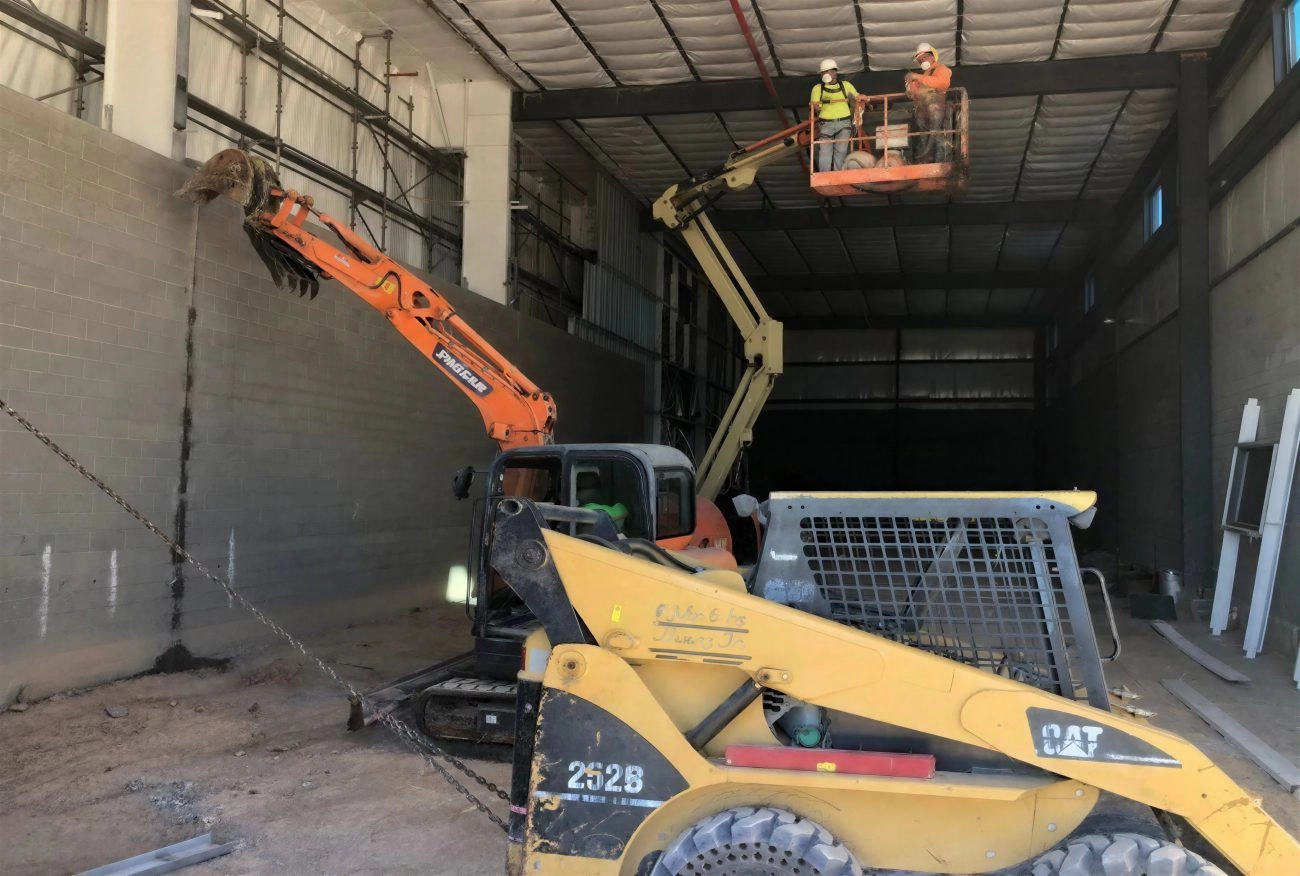
Timeline depends significantly on scope. A commercial trash enclosure or small partition wall typically runs a few days. A structural CMU shell — exterior walls, elevator shafts, stairwells — generally takes four to eight weeks depending on building size, grout schedule, and inspection hold sequencing. Larger or phased projects are coordinated directly with the GC’s master schedule. We provide a realistic timeline tied to the drawing scope in our written estimate, and we communicate proactively if inspections, material lead times, or design changes affect the sequence.
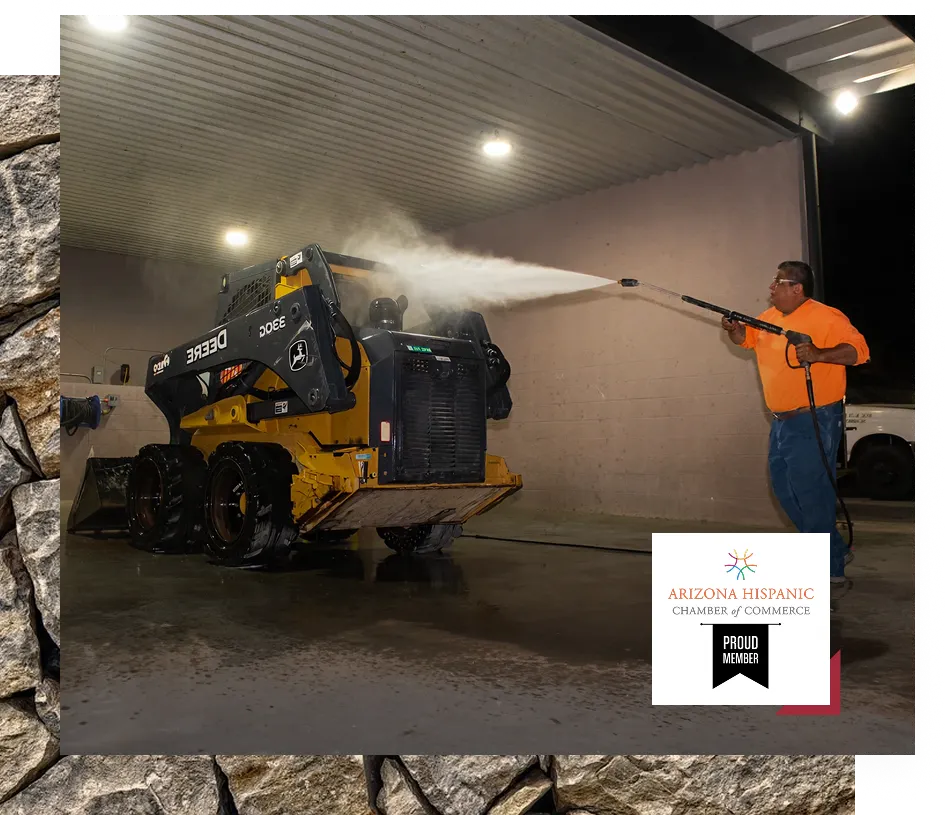
Father & Son Masonry works with homeowners, property owners, commercial developers, investors, architects, and structural engineers — across Phoenix and all of Arizona.
more detailsStructural Masonry for Every Client, Every Scale
Years of Experience
-
Developers & General Contractors
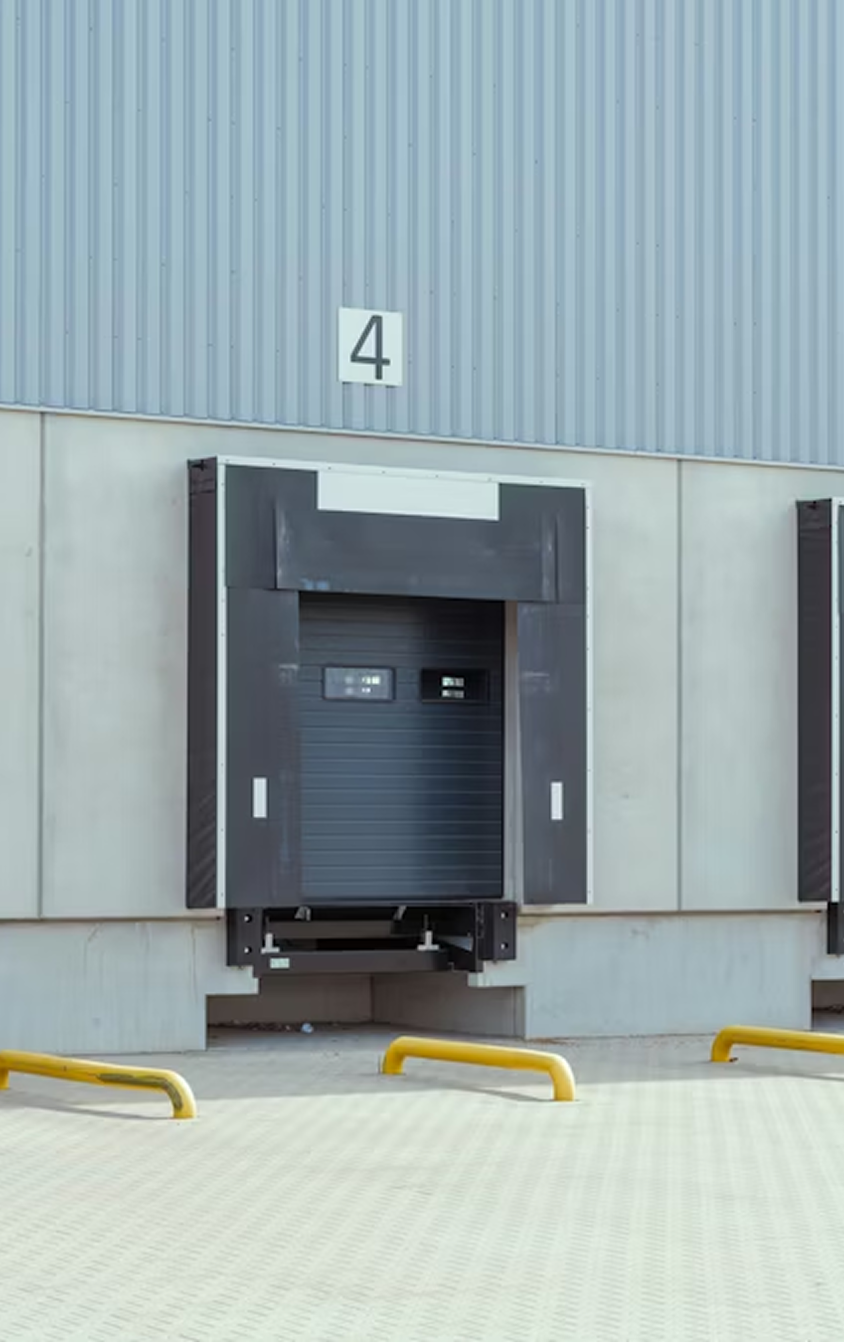
From shell buildings and fire walls to elevator shafts, loading docks, and tenant improvements, FSM has the structural capacity and on-site owner presence to keep commercial projects on schedule and on budget.
-
Architects &
EngineersFather & Son Masonry collaborates directly with structural engineers, civil engineers, and licensed architects — working from blueprints, completing full material takeoffs, and building to specification every time.
-
Homeowners & Property Owners
Whether it's a large retaining wall on a hillside lot, a masonry room addition, or a custom home's structural foundation, residential clients get the same owner-overseen precision Father & Son Masonry applies to every commercial build.
Areas Where We Serve And Deliver Excellence
See all areasArizona
-
Phoenix
-
Tempe
-
Scottsdale
-
Mesa
-
Gilbert
-
Glendale
-
Goodyear
-
Peoria
-
Surprise
We operate throughout Maricopa County and the greater Phoenix metro. Whether your project is in the East Valley, West Valley, or central Phoenix, we come to your project or property for a detailed site walk.

Explore Other Services

Embark On Your Build
With Us!