(602) 323-9690
Home Concrete Services Waterproofing

Concrete Waterproofing Contractors in Phoenix, AZ

Concrete waterproofing in Phoenix — applied right the first time so water stays out for good.
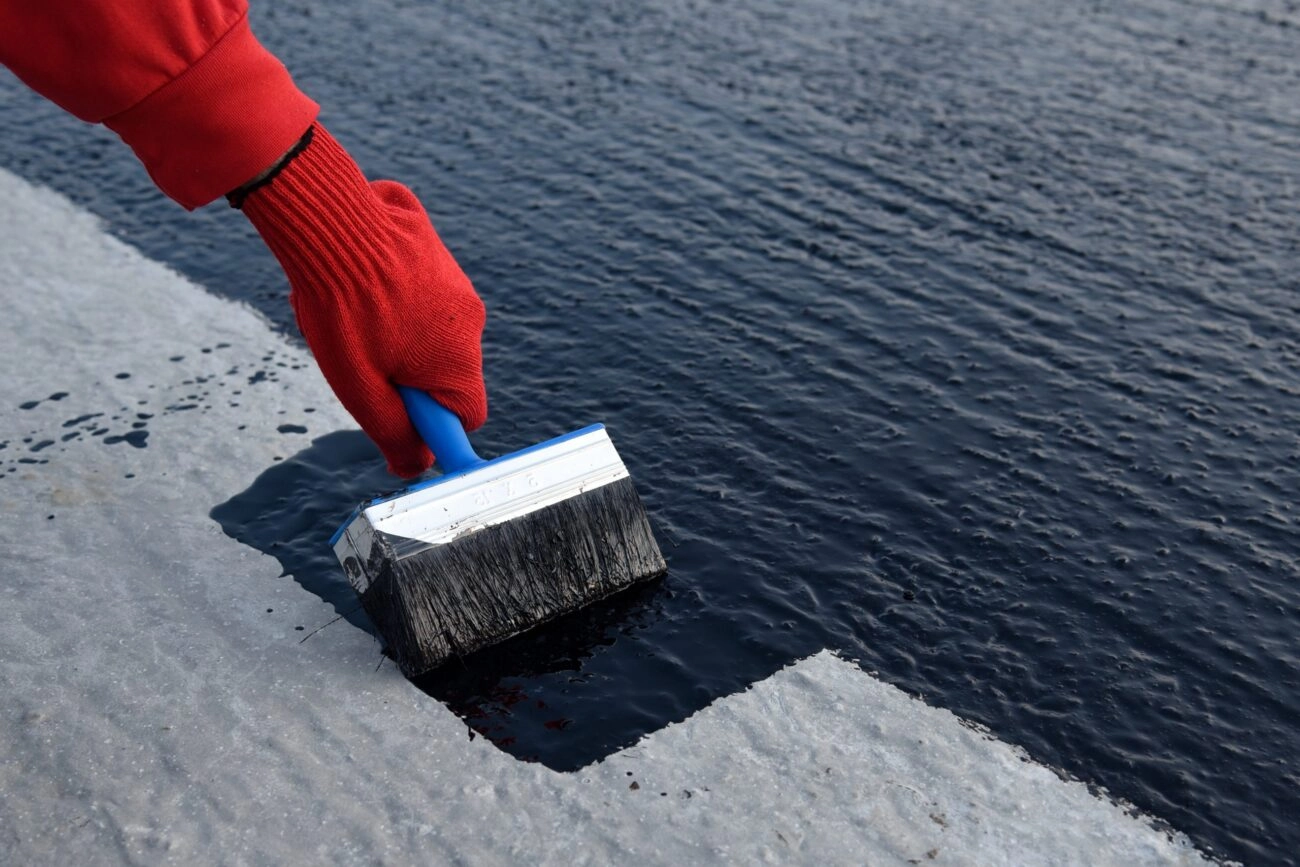
Concrete Waterproofing Contractors in Phoenix, AZ

Need a quote? Send details.

Why Do You Need Concrete Waterproofing?

A basement floods during monsoon season. Foundation walls show white salt deposits (efflorescence) and visible water stains. Concrete spalling accelerates as moisture cycles continue. The problem is failed or absent waterproofing contractor work — either not applied during construction or failed after years of service. Father & Son Masonry applies waterproofing as a standard part of all below-grade concrete construction — not an afterthought.
  • Waterproofing system matched to the substrate and exposure — not a one-product-fits-all approach

  • Surface prep done correctly — adhesion depends on it

  • Free written estimate with system specification and warranty terms

Phoenix’s monsoon season — June through September — creates concentrated rainfall events that test waterproofing systems. Average annual rainfall in Phoenix is 8 inches, but half of it falls during monsoon. Below-grade concrete in Maricopa County is subjected to hydrostatic pressure during these events. Father & Son Masonry applies waterproofing as standard practice on all below-grade concrete work and can retrofit failed systems on existing basements and below-grade spaces.

Waterproofing Systems Applied to the Right Substrate the Right Way

Waterproofing fails for four reasons: surface not properly prepared (concrete dirty, wet, or has loose material that prevents adhesion); wrong system for the exposure (crystalline on a wall with high hydrostatic pressure needs drainage backup); not applied at the required thickness or coverage; or no drainage layer to relieve hydrostatic pressure. Every below-grade concrete project needs a system matched to the exposure and a drainage layer working together. Waterproofing contractor work done right starts before the waterproofing material is even opened.

  • Substrate prep before application — concrete cleaned, cracks filled, form ties removed and patched, surface dry to specification. No shortcuts.
  • System selected for the exposure — crystalline for active water seepage, membrane for high hydrostatic pressure, penetrating sealer for above-grade horizontal surfaces.
  • Drainage layer installed with waterproofing membrane — waterproofing alone doesn’t eliminate hydrostatic pressure; drainage layer relieves the pressure.
  • Applied in required thickness and coverage — not spot application. Every square foot is sealed to spec.

How We Apply Waterproofing in Phoenix

Waterproofing depends on surface preparation more than any other factor. If the concrete isn’t clean and dry, if cracks aren’t sealed, or if form ties aren’t removed and patched, the waterproofing won’t adhere and won’t perform. The application itself is critical — coverage, thickness, and continuity all matter. Every waterproofing project we do follows a strict process from prep through application and inspection.

  1. Site inspection and water entry assessment — We identify where water is entering or where it’s most likely to enter, and evaluate the concrete surface condition.
  2. Surface preparation — Concrete is cleaned, debris removed, loose material chipped off, and surface allowed to dry to specification.
  3. Crack repair and penetration sealing — All cracks are filled with epoxy or polyurethane; penetrations (pipes, conduits) are sealed.
  4. Waterproofing system application — The selected waterproofing system (crystalline, membrane, or penetrating sealer) is applied in the specified thickness and coverage.
  5. Drainage layer installation — For membrane systems, a drainage mat or gravel layer is installed to relieve hydrostatic pressure.
  6. Backfill and final review — The backfill is placed and compacted; the waterproofing system is inspected for coverage and continuity.

Get a Free Waterproofing Estimate in Phoenix

If you’re building new below-grade construction or dealing with an existing water infiltration problem, Father & Son Masonry provides professional waterproofing contractor services with the expertise to stop water at the source. Free on-site assessments, system recommendations, detailed written estimates, and full application to specification. Contact us today to discuss your waterproofing needs.

Let’s Talk About
Your Project

Frequently Asked Questions About Masonry Services

  • The primary cause is monsoon rain creating hydrostatic pressure against below-grade concrete walls. A secondary cause is poor site drainage — rainwater pooling around the building instead of being directed away. A failed or absent waterproofing system is almost always part of the problem. Cracks in the concrete also allow water entry. During a monsoon event, water will find any path through cracked or unprotected concrete.
  • Crystalline waterproofing is a coating system that chemically reacts with the concrete to create a hydrophobic layer. It's good for active water seepage and can seal hairline cracks. Membrane waterproofing is a physical barrier (usually rubberized asphalt or synthetic rubber) adhered to the concrete. It's better for high hydrostatic pressure and covers larger cracks. Both work well; the choice depends on the specific exposure and the level of water pressure the wall will experience.
  • Properly applied crystalline waterproofing can last 20 years or more because it's integral to the concrete. Membrane waterproofing typically lasts 15 to 20 years before degradation from UV exposure and physical stress. Durability also depends on the quality of installation — if the surface wasn't prepped properly or the coating wasn't applied to spec, failure can occur in 5 to 10 years. We apply warranty on all our waterproofing work.
  • Interior application is less effective because it doesn't stop water from entering the concrete — it just prevents water from reaching the interior surface. The concrete becomes saturated and weakens over time. Exterior application (applied to the outside of the below-grade wall) stops water before it reaches the concrete. Ideal waterproofing is applied during construction on the exterior. Retrofit waterproofing can be applied from the interior but is less durable and less effective.
  • Yes. City of Phoenix building code requires waterproofing on all below-grade concrete walls and slabs. The specific system (crystalline, membrane, or other) depends on the exposure and the engineer's specification. All new construction with basements or below-grade space must include waterproofing as part of the approved construction documents. Waterproofing is not optional — it's required.
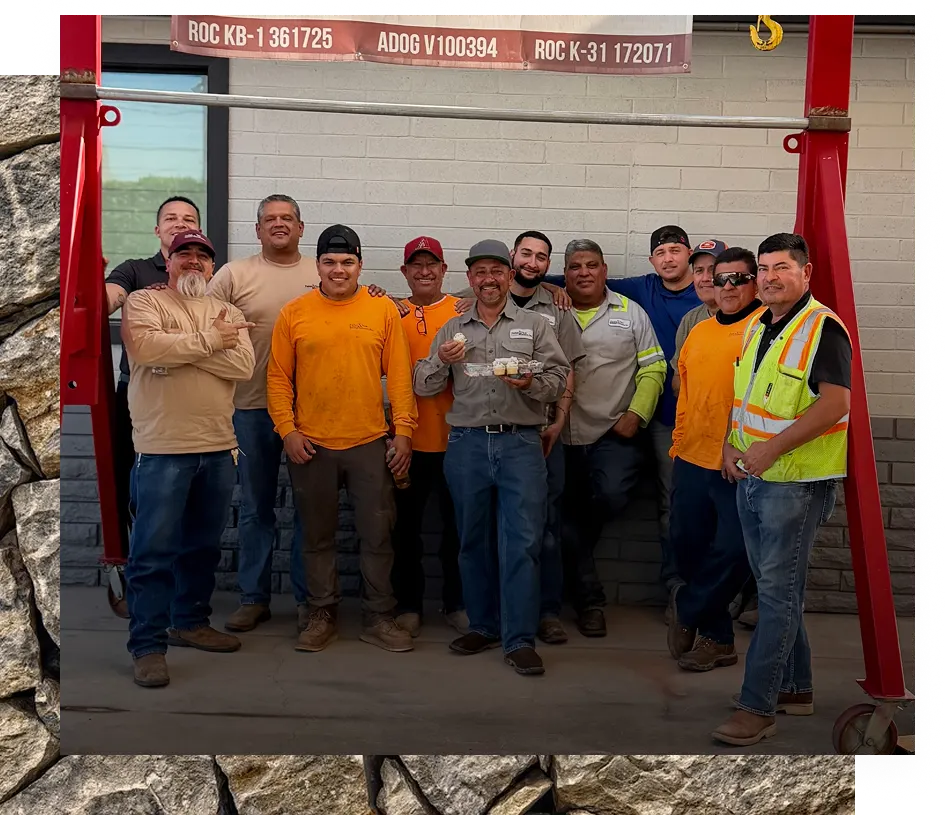
Structural Masonry & Concrete Solutions for Every Project Scale

Father & Son Masonry has been the structural masonry contractor Phoenix homeowners and commercial developers rely on since 1994. ROC licensed, BBB A+ rated, and supervised on every job — we hold the same structural standards on a single retaining wall as on a full commercial shell building.

  • Steel rebar on every job — standard practice, not an upsell

  • Owner on every job site: David or Karen Carrillo from first visit to final sign-off

  • ROC licensed since 1994 · BBB Accredited · A+ Rating
Discover Our Projects

Areas Where We Serve And Deliver Excellence

See all areas

Arizona

  • Phoenix

  • Tempe

  • Scottsdale

  • Mesa

  • Gilbert

  • Glendale

  • Goodyear

  • Peoria

  • Surprise

We operate throughout Maricopa County and the greater Phoenix metro. Whether your project is in the East Valley, West Valley, or central Phoenix, we come to your project or property for a detailed site walk.

Ready to bid your project?
Send plans & scope for review!