(602) 323-9690
Home Commercial Masonry Services Elevator Shaft Construction

Elevator Shaft Construction in Phoenix, AZ

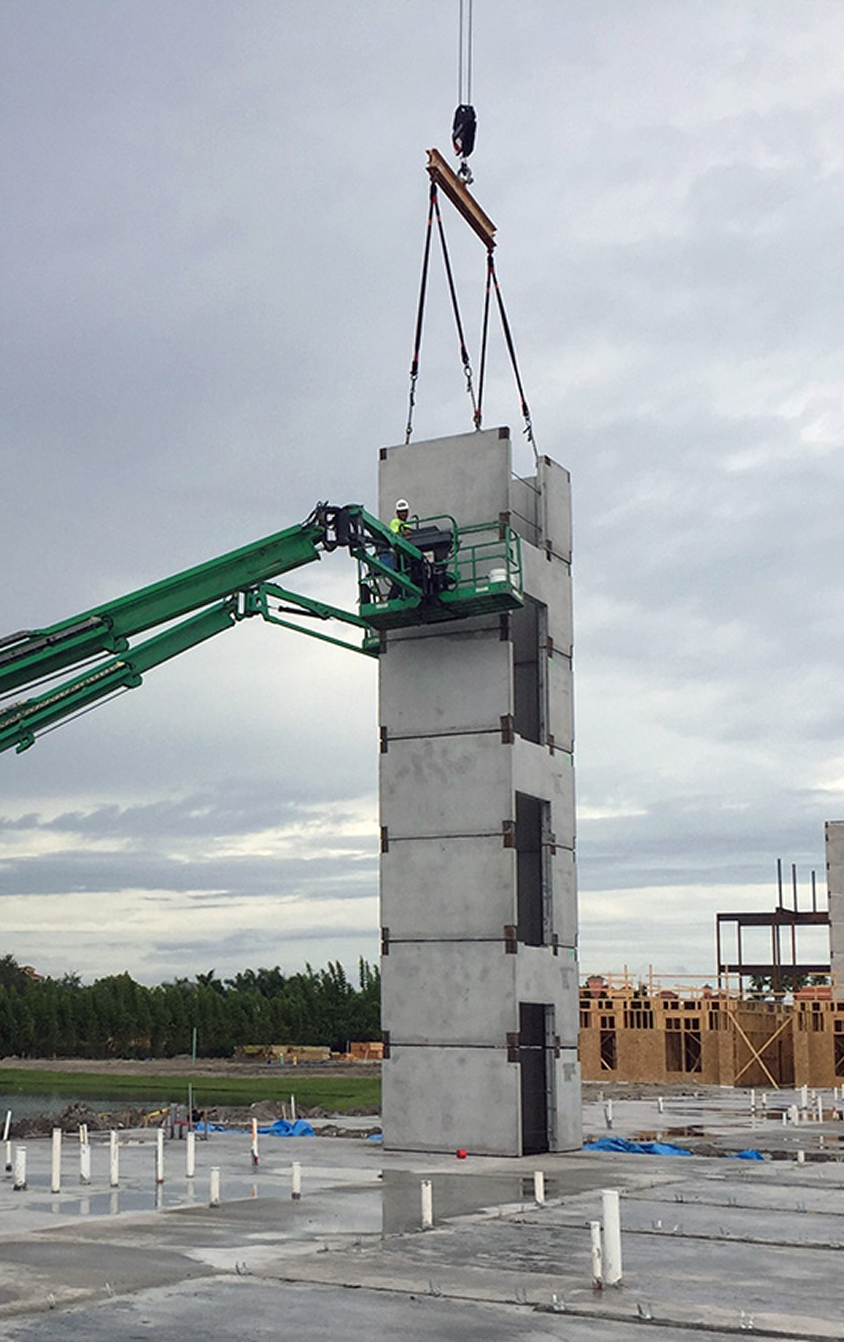
Elevator shaft construction in Phoenix — CMU masonry built to the tolerances elevator equipment demands.
Elevator Shaft Construction in Phoenix, AZ

Need a quote? Send details.

Elevator Shaft Masonry Built to Plumb Tolerance Specifications

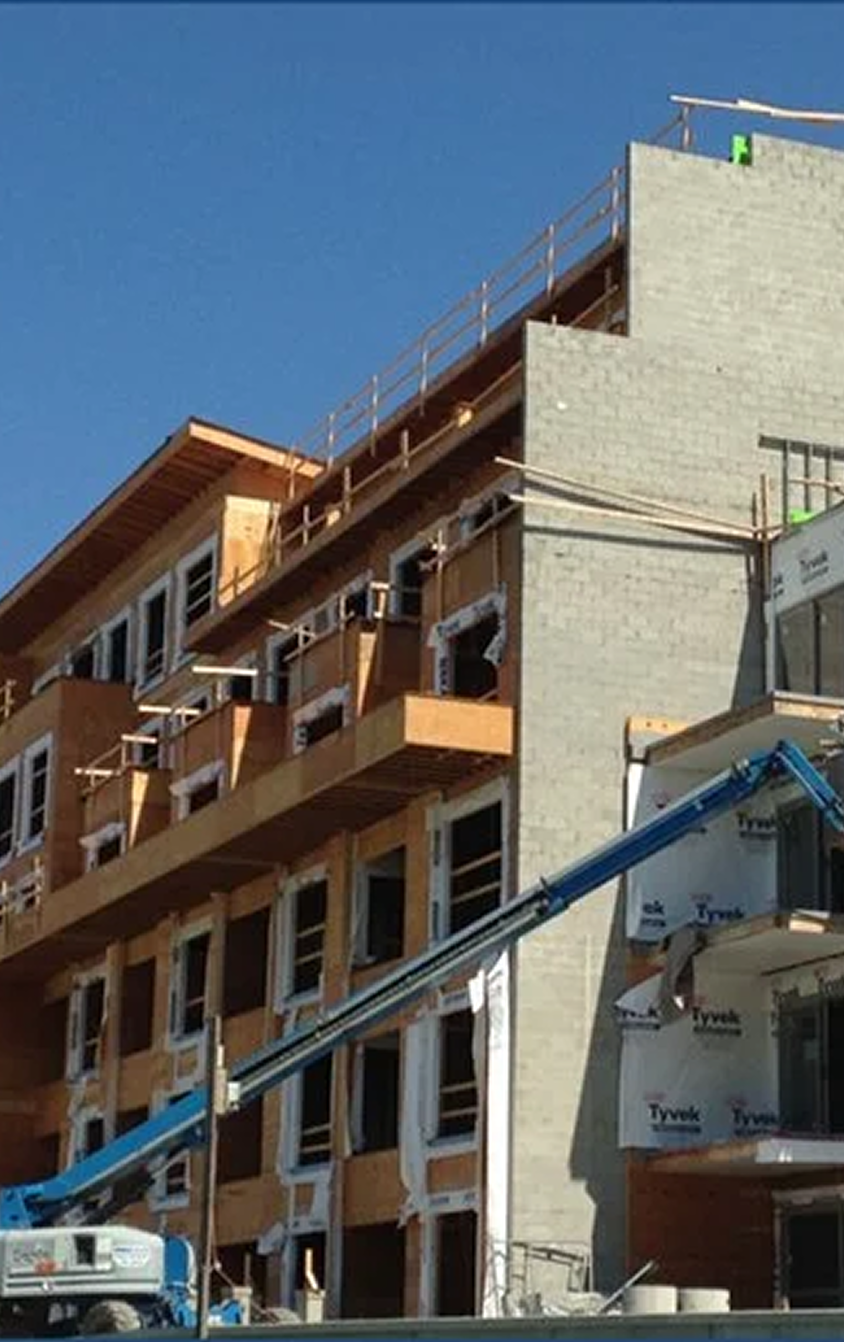
Multi-story construction in Phoenix requires elevator shafts that maintain perfect plumb tolerances through the entire height of the building. Father & Son Masonry builds reinforced CMU shaft systems to exact engineer-stamped plans, ensuring seamless coordination with floor tie-ins and equipment clearances.
  • We maintain strict vertical alignment throughout the full shaft height, ensuring a perfect fit for elevator rails and cabs.

  • Every floor level is precisely engineered with the correct reinforcement and embeds to integrate with the building’s primary frame.

  • High-strength masonry units and full grout cells provide the essential fire-rating and lateral stability required for commercial shafts.

City of Phoenix and Maricopa County building codes require elevator shafts to be constructed per ASME A17.1 and verified for dimensional accuracy before equipment installation. Elevator shaft construction is on the critical path for commercial development projects, and the inspection process requires coordination between the general contractor, mechanical equipment supplier, and the masonry crew. Every elevator shaft construction project Father & Son Masonry completes includes coordination with the equipment supplier’s mechanical engineer, submission of dimensional certification to the GC, and participation in all required building inspections before sign-off.

Elevator Shaft Masonry Built to Equipment Tolerances

Every course of an elevator shaft wall needs to be plumb to within tolerances that are typically tighter than standard commercial masonry walls—elevator rails require this, and the elevator contractor verifies it before any equipment gets installed. Dimensional accuracy also means the shaft width and depth match the equipment submittals exactly, and penetrations for equipment lines, conduit, and hydraulic sleeves are set in the right locations before the wall is built. An elevator shaft that’s built carelessly creates problems downstream: equipment that doesn’t fit, sleeves in the wrong locations, or walls that need to be opened up and corrected—expensive rework on a project that’s likely already behind schedule.

  • Plumb checked at every course — laser plumb line maintained from pit floor to top of shaft.

  • Dimensional accuracy per elevator manufacturer’s requirements — shaft width and depth verified against equipment submittals.

  • Pit waterproofing — elevator pit below grade requires watertight CMU construction with waterproofing membrane.

  • Penetration sleeves set before walls are built — conduit and hydraulic line penetrations located and installed during construction.

How We Build Elevator Shafts in Phoenix

Elevator shaft construction is one of the few masonry applications where every course must be plumb and dimensional tolerances are verified throughout the build. Skipping the equipment submittals, not coordinating with the elevator contractor, or relying on plumb verification only at the top are common mistakes that lead to costly corrections later. Our process builds equipment coordination and dimensional verification into every step of the wall.

  1. Review of elevator equipment submittals and shaft dimensions — We receive the mechanical submittals from the equipment supplier and mark the building lines and dimensional requirements before construction begins.

  2. Permit application and coordination — Elevator shaft work requires building permits and structural inspections through City of Phoenix.

  3. Pit excavation and waterproofing — Below-grade pit walls receive waterproofing membrane applied before CMU construction begins.

  4. CMU shaft construction with plumb verification per course — Courses are laid with laser plumb verification, and dimensional accuracy is checked against equipment requirements throughout the build.

  5. Penetration sleeve setting and machine room masonry — Equipment line sleeves are set during wall construction, and penthouse/machine room walls are completed to frame the equipment space.

Elevator Shaft Construction Built to Specification

If you’re building a new commercial or multi-family project that requires an elevator shaft, Father & Son Masonry provides tolerance-critical masonry construction with direct coordination with your equipment supplier and building department. We handle all aspects of elevator shaft construction—from equipment submittals to final dimensional inspection—ensuring your project stays on the critical path. Contact us today to discuss your elevator shaft scope.

Let’s Talk About
Your Project

Frequently Asked Questions About Masonry Services

  • Elevator shafts are constructed from reinforced CMU block (standard 8x8x16 inch or 6x8x16 inch for tighter dimensional control). The block is laid with Type S mortar and the cores are fully grouted with rebar placed per the structural engineer's specification. Some projects use poured concrete shafts, but CMU block is the most common material for elevator shaft work in Phoenix commercial construction.
  • Elevator equipment is typically designed to tolerances of 1/4 inch per 10 feet of height. This means an elevator shaft that's 40 feet tall needs to be plumb within 1 inch over its full height. Father & Son Masonry maintains plumb verification at every course during construction using laser plumb lines, and provides written dimensional certification upon completion.
  • Yes, in most cases. City of Phoenix building code requires elevator shafts to be constructed as fire-rated enclosures, typically rated for 2 or 4 hours depending on building occupancy. CMU block inherently provides fire rating, and the specific rating is confirmed during the permit review process.
  • For a typical multi-story commercial building with a 5-story elevator shaft, construction generally takes 3 to 5 weeks from start of wall to completion of pit waterproofing and penetration sleeves. Permit processing through City of Phoenix typically adds 2 to 4 weeks prior to mobilization. The elevator shaft is often on the critical path, so schedule coordination with the general contractor is important.
  • Yes, elevator shafts can be retrofitted into existing buildings by constructing new CMU walls within the existing footprint. This requires structural modifications to the floor systems to create the shaft opening, and the new shaft walls must still meet all dimensional tolerances and permit requirements. Father & Son Masonry has completed many retrofit elevator shaft projects in Phoenix's downtown and central corridor.
Structural Masonry & Concrete Solutions for Every Project Scale

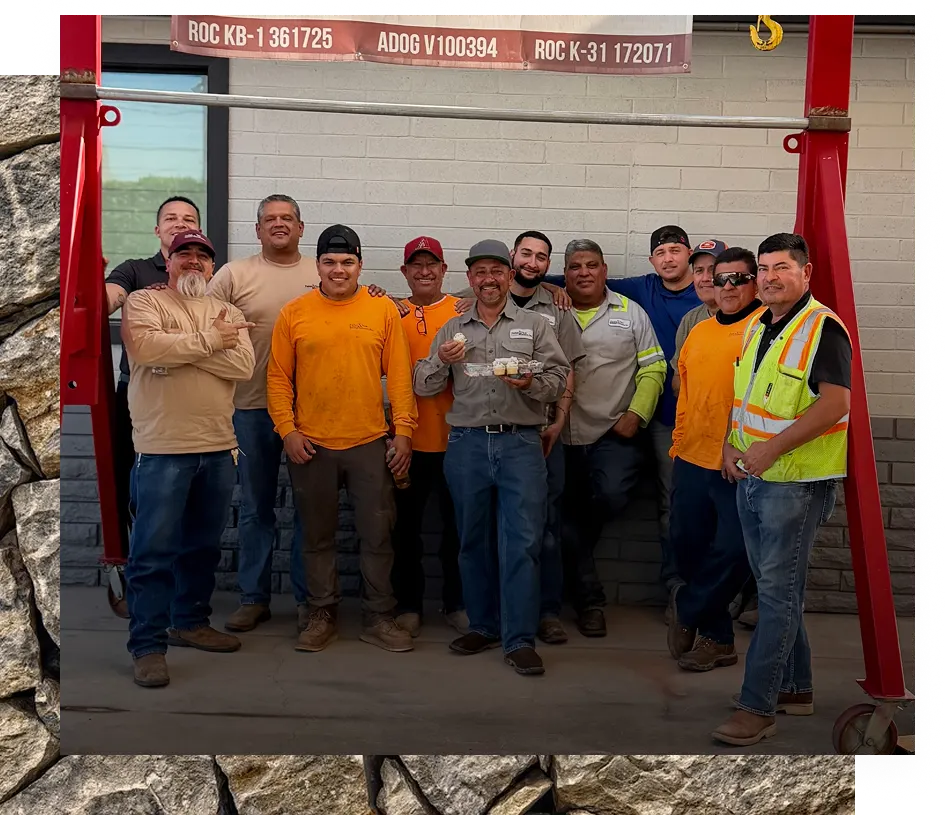
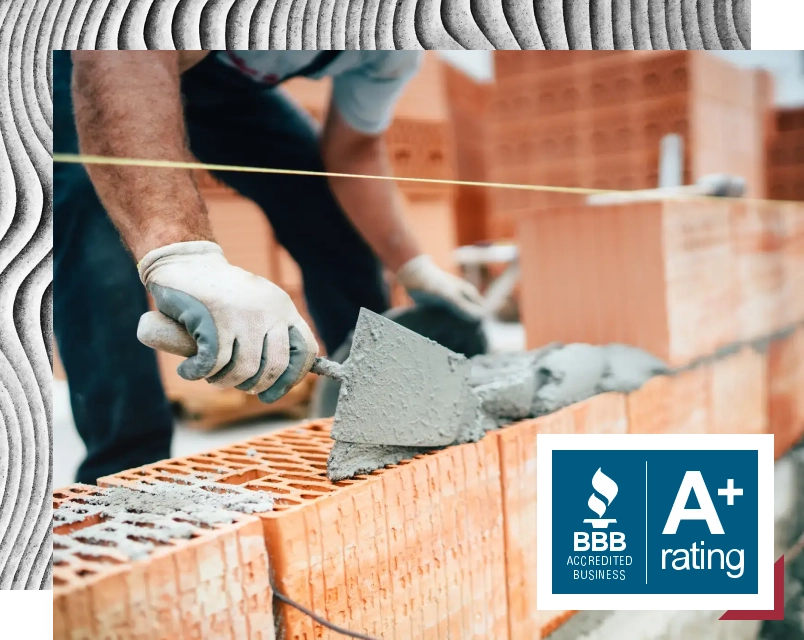
Father & Son Masonry has been the structural masonry contractor Phoenix homeowners and commercial developers rely on since 1994. ROC licensed, BBB A+ rated, and supervised on every job — we hold the same structural standards on a single retaining wall as on a full commercial shell building.

  • Steel rebar on every job — standard practice, not an upsell

  • Owner on every job site: David or Karen Carrillo from first visit to final sign-off

  • ROC licensed since 1994 · BBB Accredited · A+ Rating
Discover Our Projects

Areas Where We Serve And Deliver Excellence

See all areas

Arizona

  • Phoenix

  • Tempe

  • Scottsdale

  • Mesa

  • Gilbert

  • Glendale

  • Goodyear

  • Peoria

  • Surprise

We operate throughout Maricopa County and the greater Phoenix metro. Whether your project is in the East Valley, West Valley, or central Phoenix, we come to your project or property for a detailed site walk.

Ready to bid your project?
Send plans & scope for review!