4 min read
Jun 18, 2026
Membership for over 15 years is not a credential. It is a track record. Here is what that means for the clients we work with.
We build for generations. Our master masons combine time-honored techniques with modern engineering to transform cmu into a lasting legacy for your home or business.
Preconstruction
 01
01
We review project plans, walk the site, and evaluate existing conditions to fully understand scope before pricing. No assumptions just real world jobsite awareness from the start.
Estimating
 02
02
We develop a clear, detailed scope with accurate pricing based on materials, labor, and project requirements so you know exactly what to expect before work begins.
Execution
 03
03
We coordinate closely with your team and execute the work with precision--keeping schedules tight communication clear and the job moving forward the way it should.
Membership for over 15 years is not a credential. It is a track record. Here is what that means for the clients we work with.

Not every contractor makes it onto the Better Business Bureau's list of accredited businesses — and for good reason. BBB accreditation isn't automatic. It's earned. Here's what it means when Father & Son Masonry carries that badge.
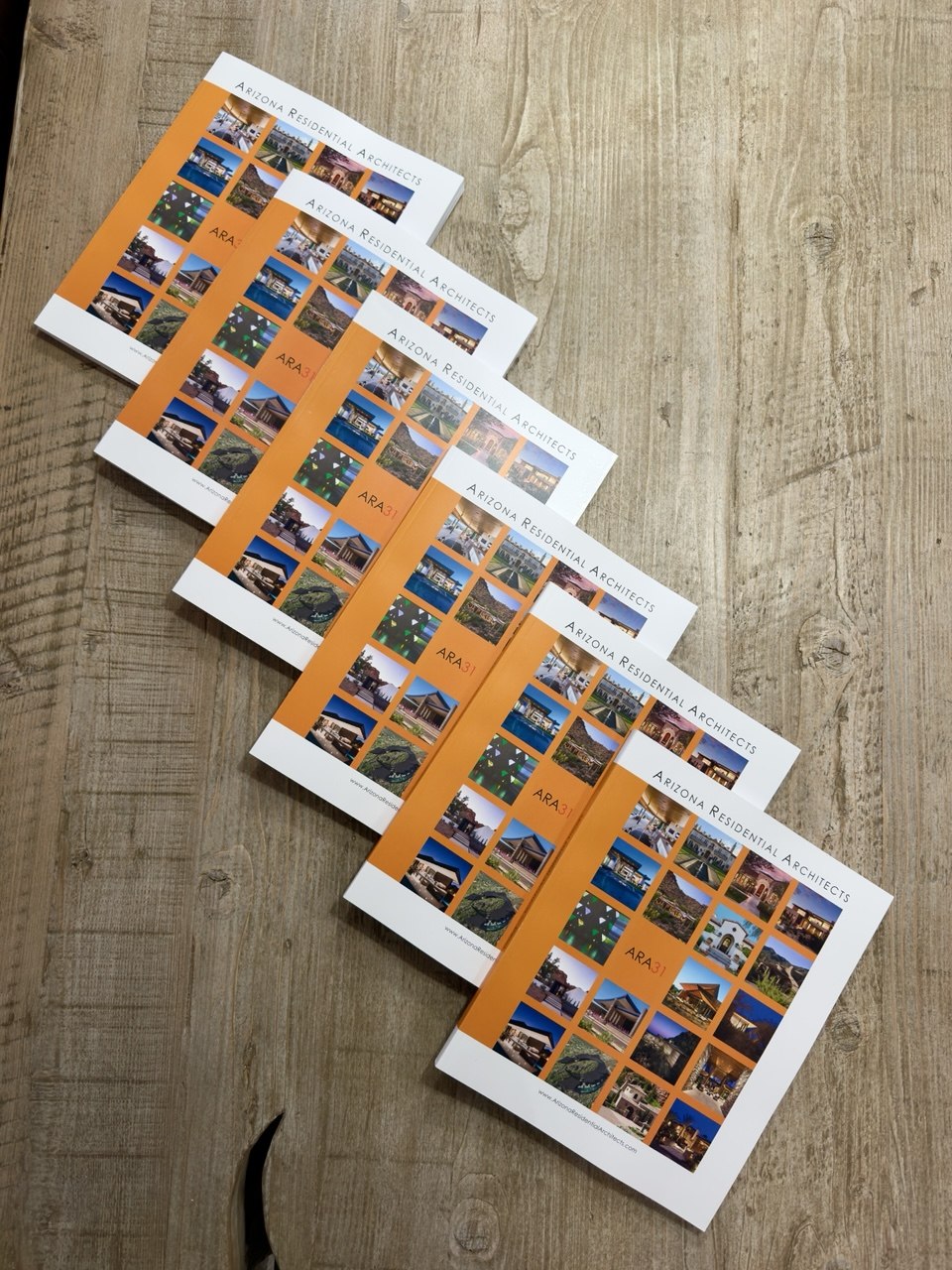
Not every contractor gets invited into Arizona's top design and construction circle. Here's why we were — and what it means for the clients we serve.
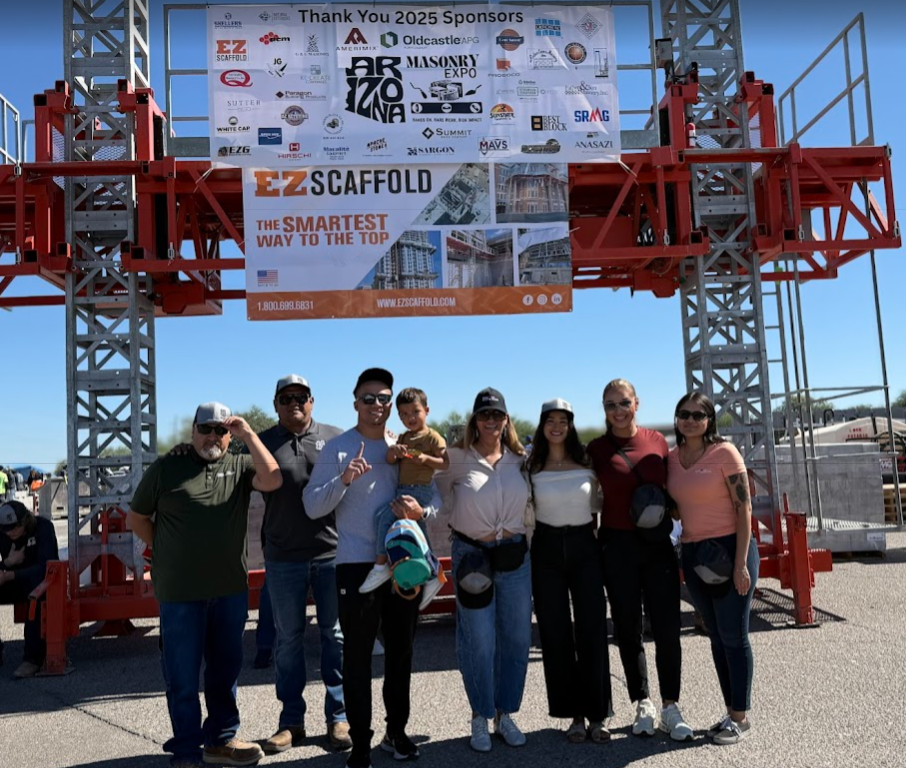
Learn how our 10+ years with the Arizona Masonry Council reflect our commitment to quality, trusted masonry work across Arizona.

Most masonry problems aren’t visible on day one. They show up after the first Phoenix summer, after the first monsoon, or at sale time. These questions help you find a contractor who builds it right the first time.

In most Phoenix master-planned communities, your HOA controls what your wall looks like before the city controls whether it can be built.

Caliche hardpan is present on nearly every property in Phoenix. Most homeowners don’t know it exists until it shows up mid-project — and adds cost.